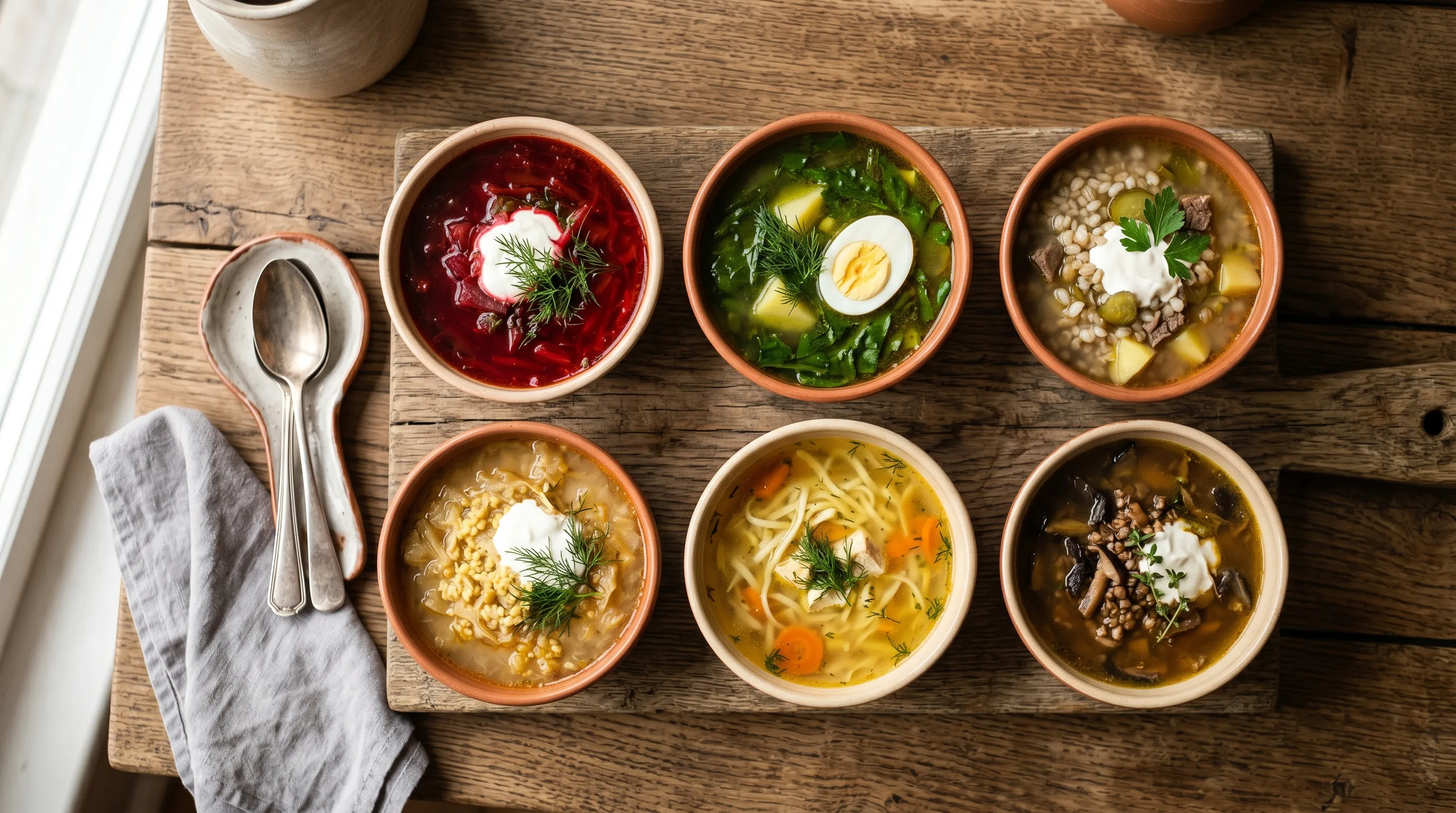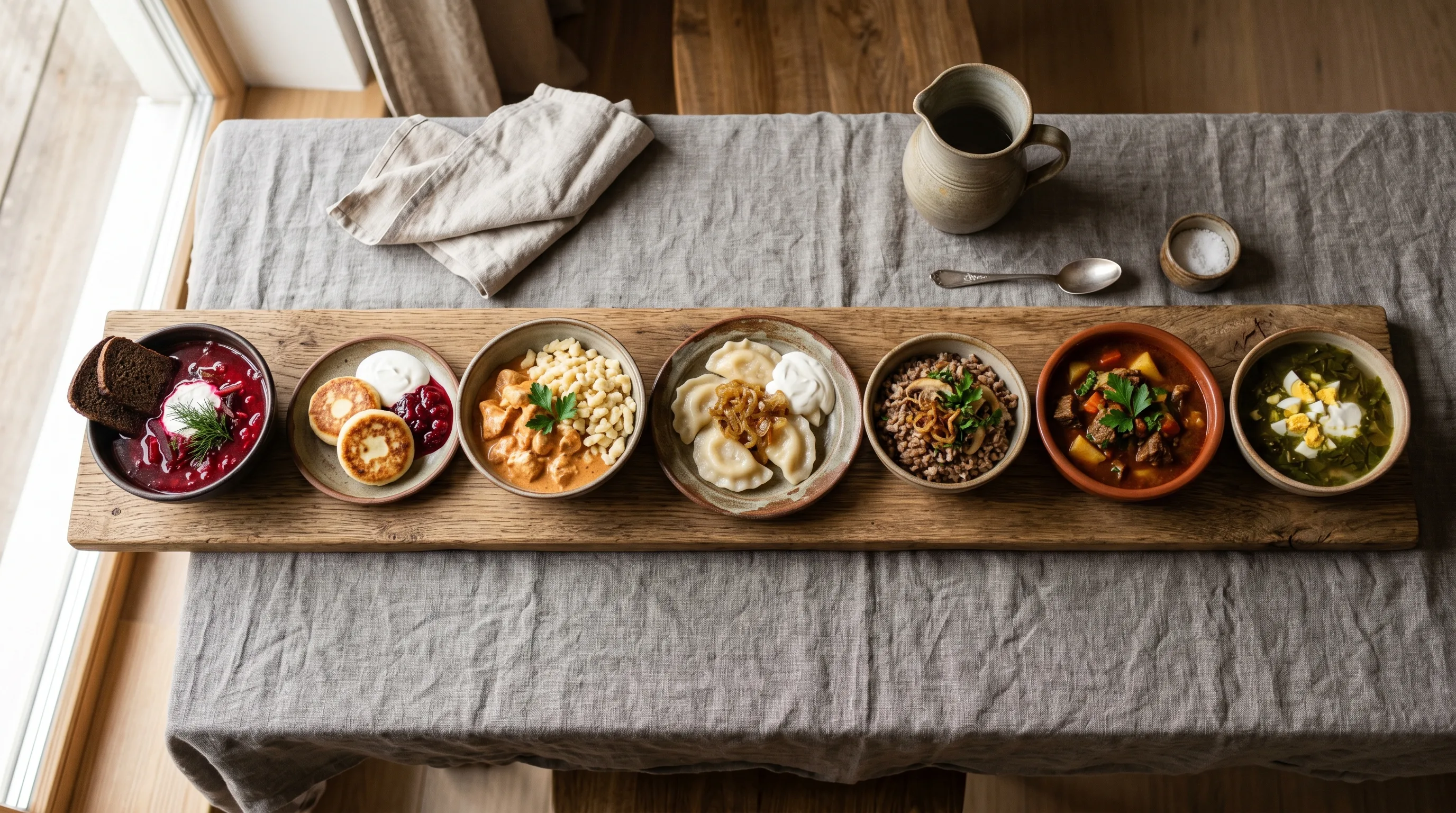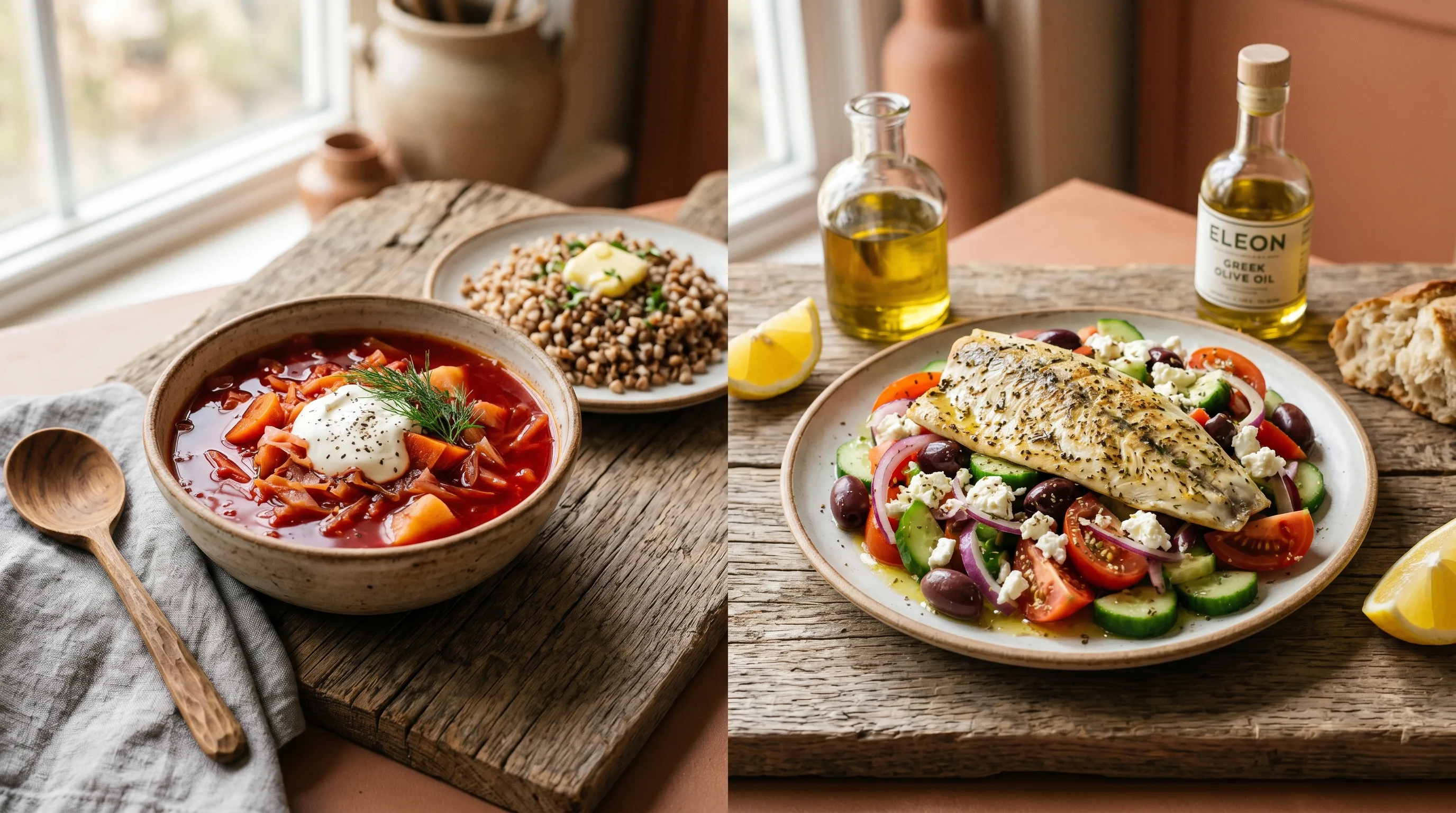
Slovakia, Czech Republic, Hungary, Poland, Central Europe is a region of magnificent food culture. Smoked paprika, caraway seeds, sauerkraut, hearty dumplings, dark rye bread. Also, historically, a region with above-average rates of obesity and cardiovascular disease linked to diets high in animal fat, fried foods, and refined carbohydrates. Here is the important nuance: the traditional Central European diet, before post-war industrialisation changed food patterns, was actually well-structured for health. Rich in fermented foods, whole grains, root vegetables, and prepared meats. The cuisine itself is not the problem. What happened to it over the past 50 years is the problem.
The 5 rules of Central European weight loss
Rule 1: fermented foods at every meal
Before Central Europe adopted ultra-processed foods, fermented foods were a daily necessity. Sauerkraut with pork. Kefir for breakfast. Fermented rye bread. Kvass instead of sweet drinks. Research shows fermented food consumption is independently associated with lower body weight and better metabolic health. Reintroducing this habit is the highest-impact change you can make.
Rule 2: buckwheat and rye replace white carbs
The Central European grain tradition is built on buckwheat and rye, two of the most nutritionally impressive carbohydrate sources available. Both have lower glycaemic indices than white wheat, more fibre, and more micronutrients.
- White rice → toasted buckwheat kasha (lower GI, more protein, more magnesium)
- White bread → rye crispbread or whole-grain rye (more fibre, more satisfying)
- White flour thickener → blended potato or vegetable in sauces
Rule 3: soup before every main meal
The traditional Central European midday meal begins with soup. This is outstanding dietary strategy. A 2007 Appetite journal study found that a low-calorie soup starter reduced total meal calorie intake by an average of 20%. Over a full day, this single habit creates a 200–300 calorie deficit without any feeling of restriction.
Rule 4: manage the pork intelligently
Pork is the defining meat of Central European cuisine, there is no need to eliminate it. The key is choosing the right cuts and methods.
- CHOOSE FREELY: Pork tenderloin, pork leg (trimmed), lean pork loin
- OCCASIONAL: Pork shoulder, smoked sausage (use lean turkey version daily)
- LIMIT: Pork belly, pork knuckle, fatty sausages, daily cooking lard
Rule 5: return to traditional portion sizes
Traditional Central European meals were not the enormous portions served in modern restaurants. A traditional Slovak lunch was: one bowl of soup, one modest main course, fresh fruit for dessert. Modern portions, especially restaurant portions, have grown dramatically. Returning to traditional serving sizes is itself a significant calorie-reduction strategy.
What to eat more of and less of
More of: fermented foods (sauerkraut, kefir, sour rye), buckwheat and wholegrain rye in place of white bread and dumplings, big vegetable soups, lean pork and poultry and fish, and cottage cheese. These are the parts of the tradition that were always there and always cheap.
Less of: lard as the default fat, thick stacks of white bread and knedlíky, full-fat sour cream by the ladle, deep-fried anything, and sugar in tea and pastries. None of these need to disappear, they just need to stop being daily.
A sample day of Central European eating for weight loss
Breakfast (~380 kcal) 200ml plain kefir + 40g buckwheat porridge (cooked in water, topped with 1 tsp honey and fresh berries) + 1 hard-boiled egg Mid-Morning Snack (optional, ~150 kcal) 1 apple + 10 walnut halves Lunch (~420 kcal) Small bowl of borscht or kapustnica (starter) → Chicken paprikash (200g) with buckwheat (100g cooked) → cucumber-dill salad + 2 tbsp sauerkraut Afternoon Snack (~120 kcal) 150g low-fat cottage cheese + cucumber slices + fresh dill Dinner (~380 kcal) Slovak pork tenderloin (150g) + roasted vegetables + 2–3 naturally fermented pickles Daily Total: ~1,450 kcal | ~105g protein | ~35g fibre
Frequently asked questions
Is Central European food too heavy for weight loss?
At its authentic roots, no. The heaviness comes from modern additions: too much lard, oversized portions, daily fried foods, constant sweet pastries. The original Central European peasant diet, buckwheat, root vegetable soups, fermented cabbage, modest portions of meat, is a perfectly sound weight-loss framework.
What is the best Central European food for reducing belly fat?
No single food targets belly fat, this is a myth. However, daily kefir (probiotics linked to reduced abdominal fat), buckwheat (low GI prevents fat-storing insulin spikes), and high-fibre vegetable soups together create a dietary pattern that supports visceral fat reduction over time.
Can I drink beer and still lose weight?
One or two beers per week will not derail progress. The Central European habit of 2–3 large beers daily adds 600–900 empty calories. Reduce to 1–2 per week and replace daily beer with kefir, herbal tea, or sparkling water.