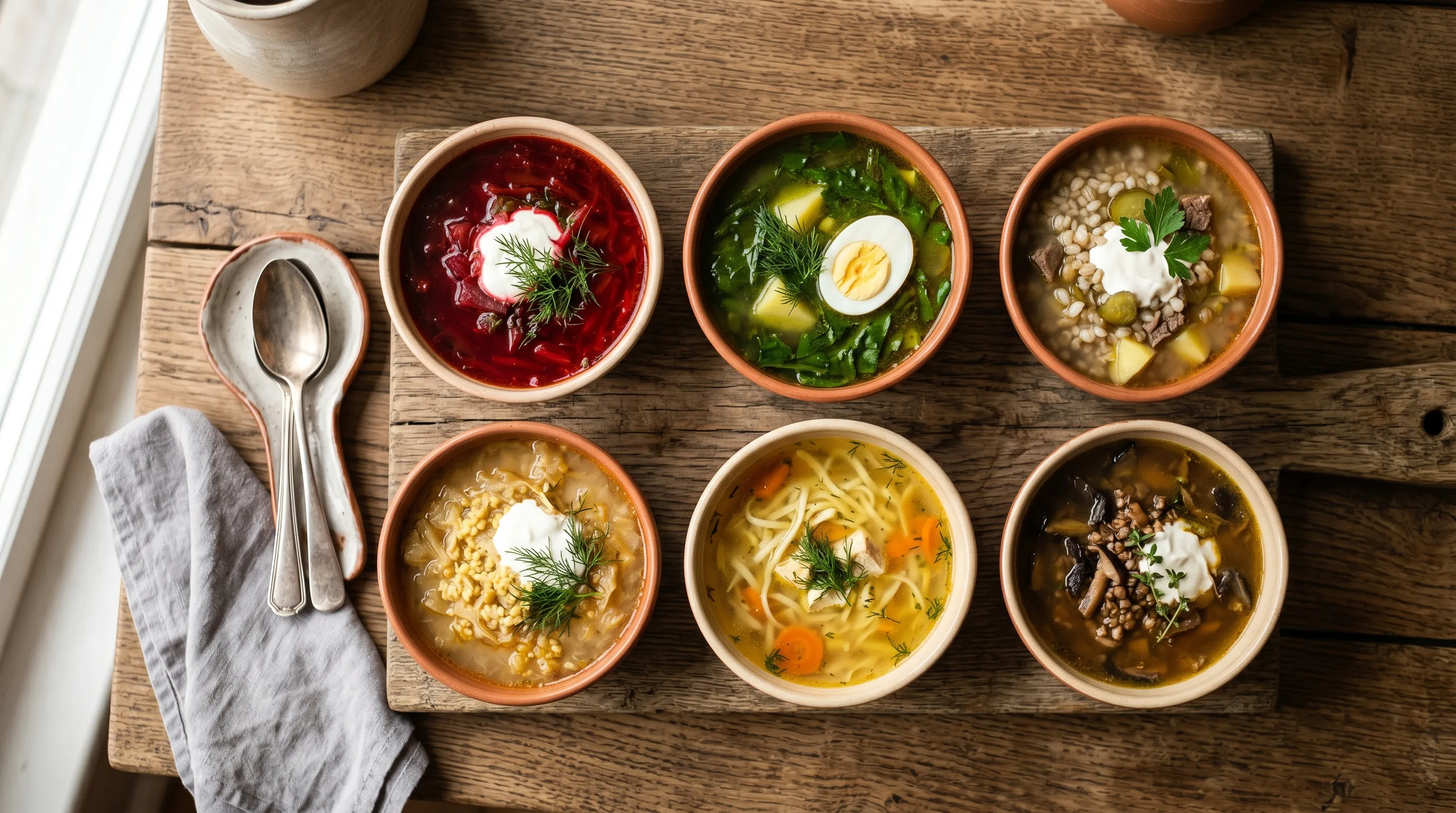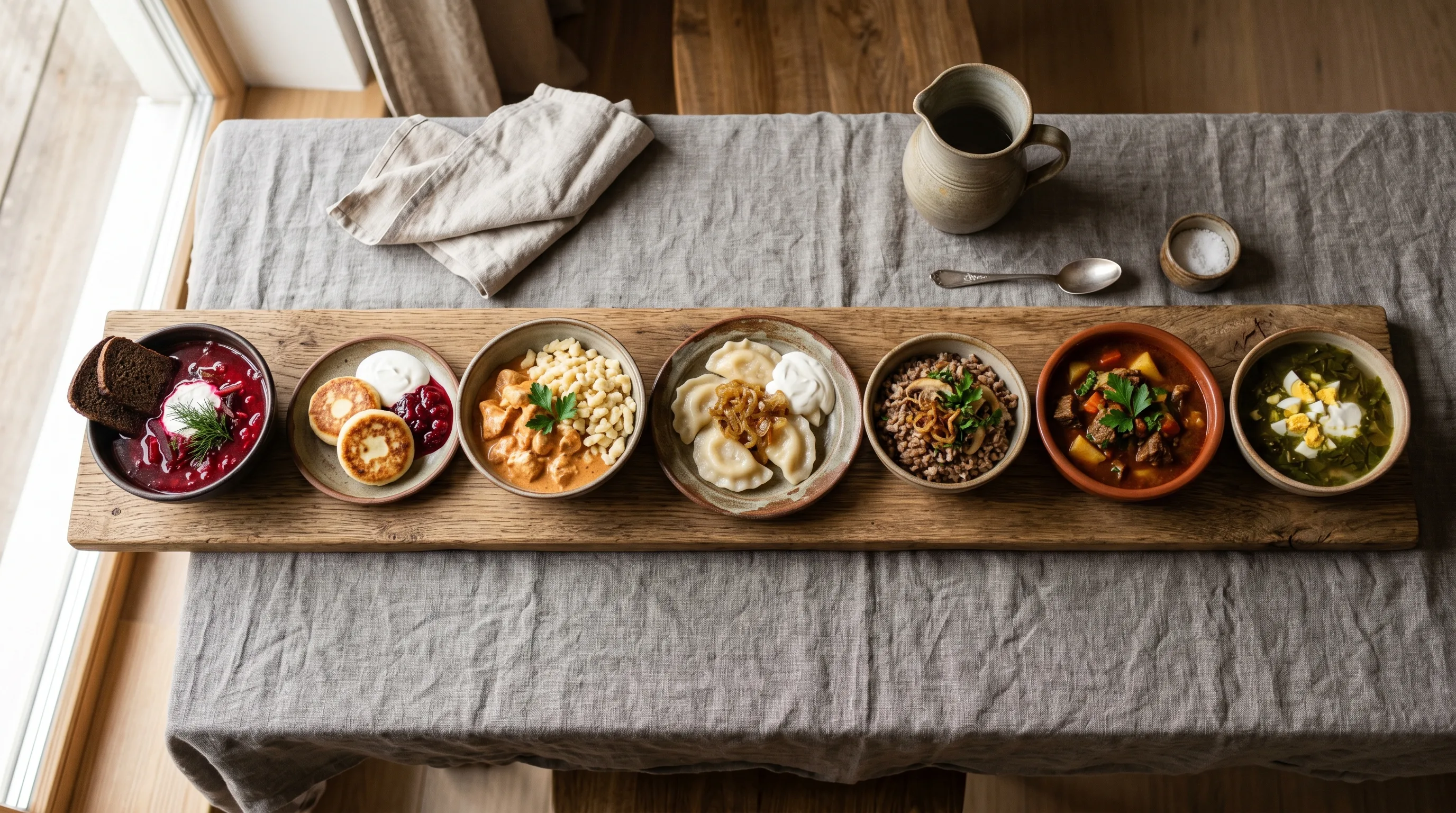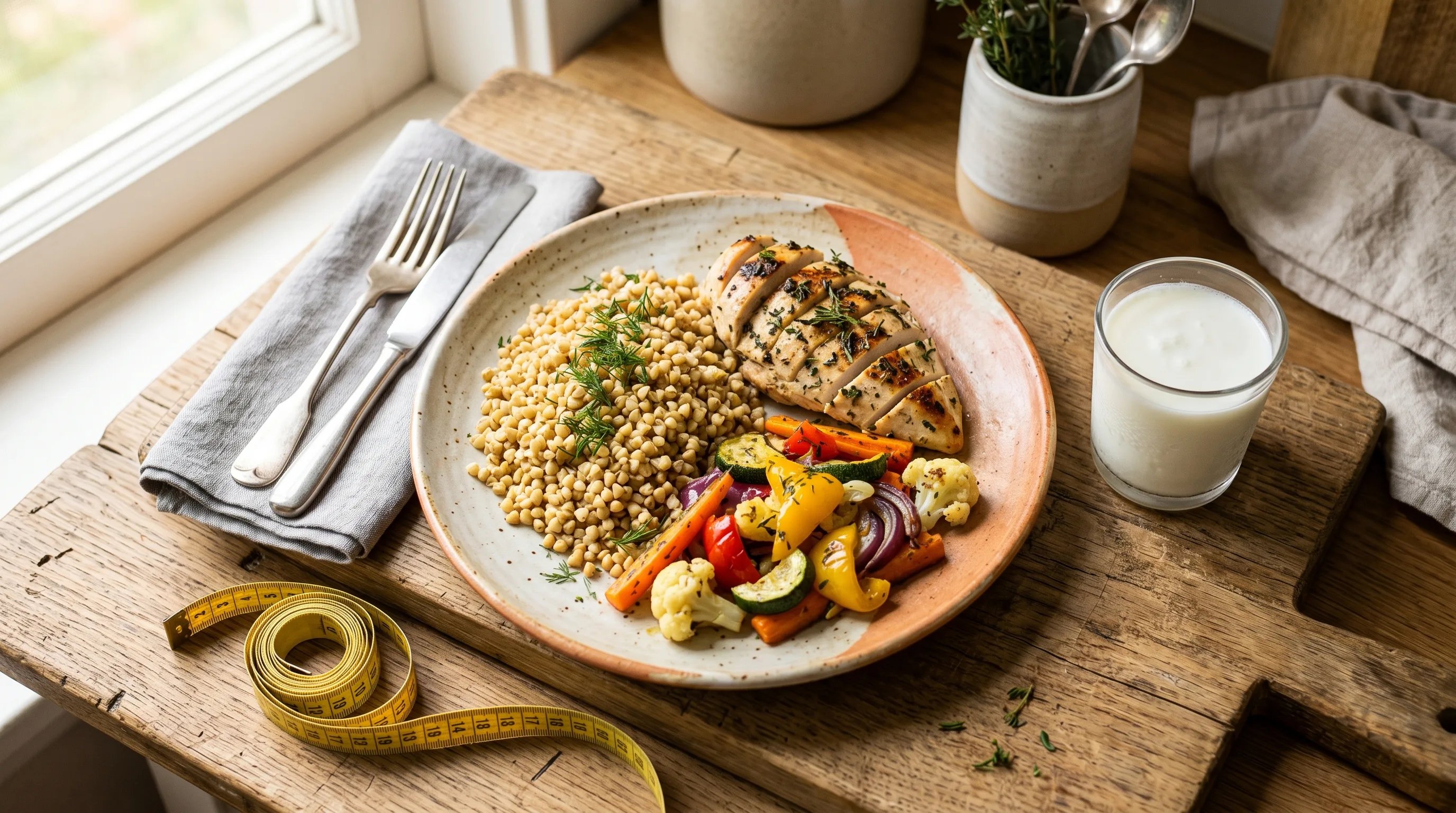
The Mediterranean diet has been voted the world’s #1 healthiest diet by US News & World Report every year since 2018. It is backed by decades of clinical research and celebrated by nutritionists globally. So where does the Eastern European diet stand, a cuisine built on beets, buckwheat, fermented cabbage, kefir, and hearty broths? My answer may surprise you: for many people, particularly those of Eastern European heritage or living in colder climates, a thoughtfully constructed Eastern European diet can match or outperform the Mediterranean diet on several key health markers. The comparison is far more nuanced than most nutrition writing acknowledges.
Head-to-Head comparison
Where the Eastern European diet wins
1. Probiotic Richness
No major diet tradition comes close to Eastern Europe for daily fermented food consumption. Sauerkraut, kefir, naturally fermented pickles, fermented rye bread, these are eaten multiple times daily in traditional Eastern European households. A landmark 2021 study in Cell found that a high-fermented-food diet increased microbiome diversity and decreased inflammatory markers more effectively than a high-fibre diet alone.
2. Affordability
Buckwheat, rye bread, cabbage, beets, potatoes, dried mushrooms, and kefir are among the most affordable foods available. The Mediterranean diet’s reliance on quality extra-virgin olive oil, fresh fatty fish three times a week, and a wide variety of nuts can become expensive. For families on a budget, or anyone in Northern Europe without easy access to Mediterranean produce, the Eastern European framework is far more practical.
3. Cultural Sustainability for Eastern Europeans
The strongest predictor of long-term diet success is adherence. For people of Eastern or Central European heritage, eating borscht and buckwheat is not a sacrifice, it is home. Sustained weight loss is dramatically more successful when the food is emotionally and culturally meaningful.
Where the Mediterranean diet wins
1. Research Foundation
The PREDIMED trial alone, which showed a 30% reduction in major cardiovascular events with a Mediterranean diet supplemented with olive oil or nuts, represents the kind of clinical evidence that does not yet exist for the Eastern European diet as a defined dietary pattern. The research gap is significant.
2. Omega-3 Fatty Acids
The Mediterranean diet’s emphasis on fatty fish (salmon, sardines, mackerel) two to three times per week provides exceptional EPA and DHA omega-3 levels, crucial for brain health, inflammation control, and cardiovascular protection. This is a genuine gap in the traditional Eastern European diet that should be addressed by adding oily fish to the weekly rotation.
3. Plant Variety
The Mediterranean diet recommendation of 30+ different plant foods per week dramatically increases microbiome diversity. Traditional Eastern European cooking, while heavy in fermented plants, tends to use a narrower vegetable range. Consciously widening the palette significantly improves the Eastern European approach.
Frequently asked questions
Is the Eastern European diet the same as Mediterranean?
No, they are completely distinct dietary traditions. The Mediterranean diet is defined by olive oil, legumes, fish, and fresh southern European vegetables. Eastern European is built on fermented foods, buckwheat, rye, root vegetables, and hearty broths. They share the principle of whole, minimally processed food, but differ significantly in specific ingredients.
Can you follow the Eastern European diet and have good heart health?
Yes, with modern adaptations. The key changes are: replacing lard with olive oil, choosing lean pork cuts, eating oily fish once or twice a week, and increasing the proportion of vegetables at every meal. With these adjustments the Eastern European diet pattern is heart-healthy.
Is kefir as healthy as Greek yogurt?
Both are excellent probiotic foods. Kefir typically contains 12+ strains of bacteria and yeasts versus 2–3 in commercial yogurt; it is also naturally lower in lactose. Greek yogurt wins on protein content per serving. Both are excellent daily foods and in this blog I use both.