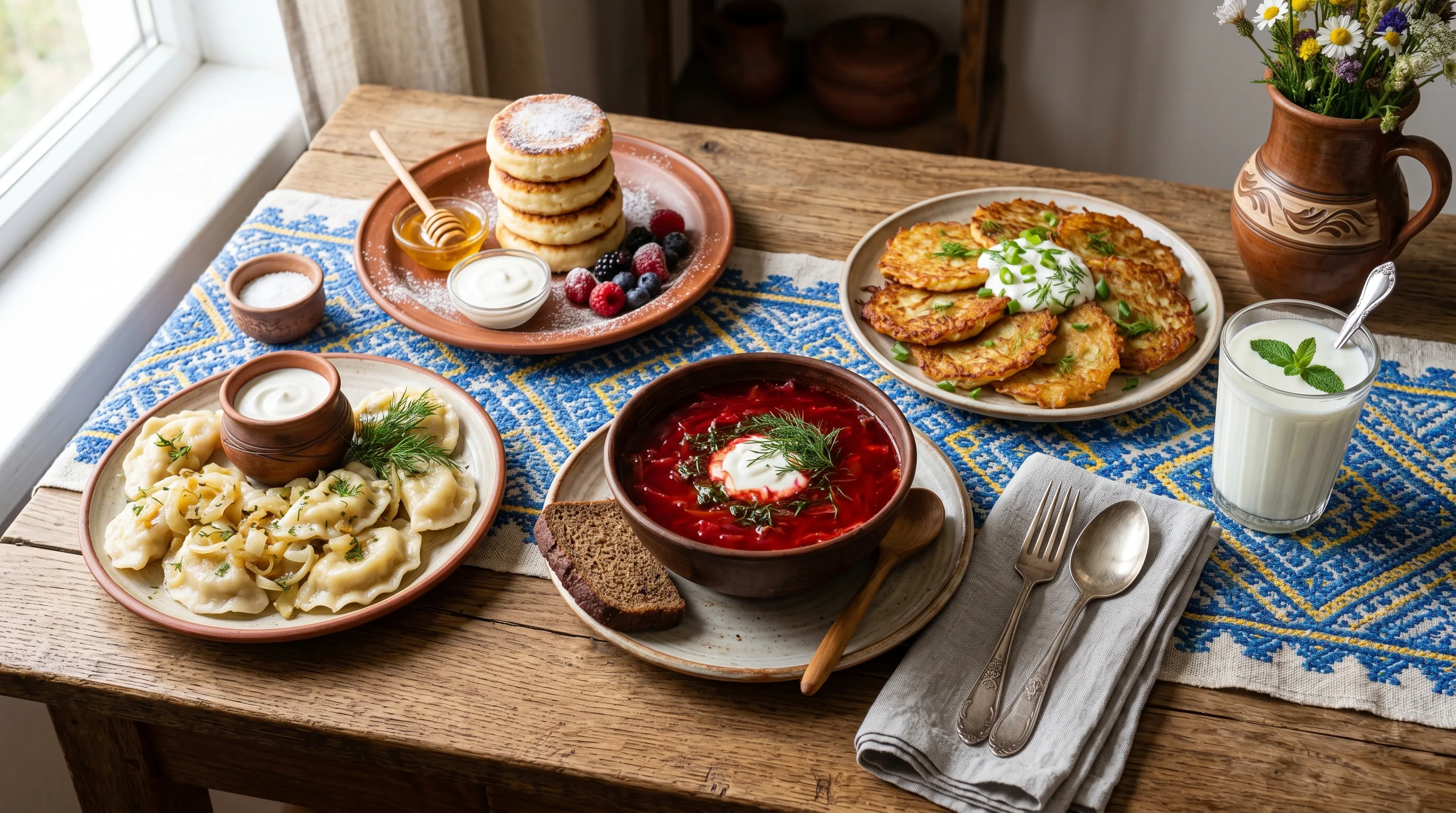
I get asked this constantly. By Ukrainian women living abroad who miss their food. By people whose grandmothers cooked for them and who want to honour that. By anyone who has tasted borscht and thought: surely this cannot be diet food.
It can. Traditional Ukrainian cooking was built on the same things nutritionists now recommend anyway: fermented foods, plenty of high-fibre vegetables, slow broths, not much processing. The weight problem usually comes from what got added later, not from the tradition itself.
What actually drives the weight gain
So let us be honest about the culprits before we defend the rest. It is rarely the borscht. It is lard as the default cooking fat, salo eaten daily rather than as an occasional slice, four or five thick slices of white bread at every meal, sour cream ladled onto everything, deep-fried varenyky and deruny, and sugar in the tea and the syrniki. Fix those six habits and most of the tradition can stay exactly as it is.
The dishes that are already diet food
The list is longer than most people expect.
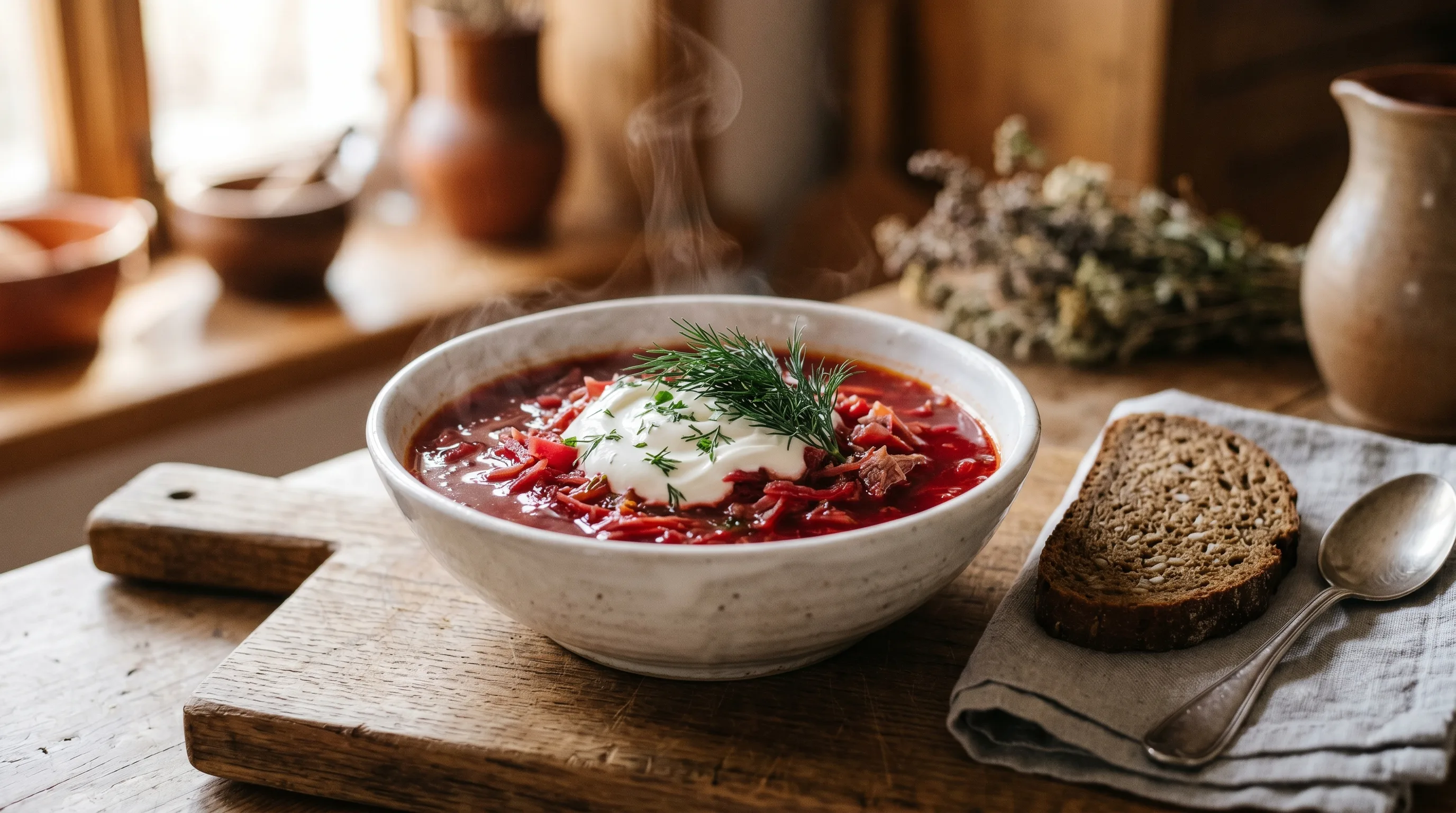
Borscht
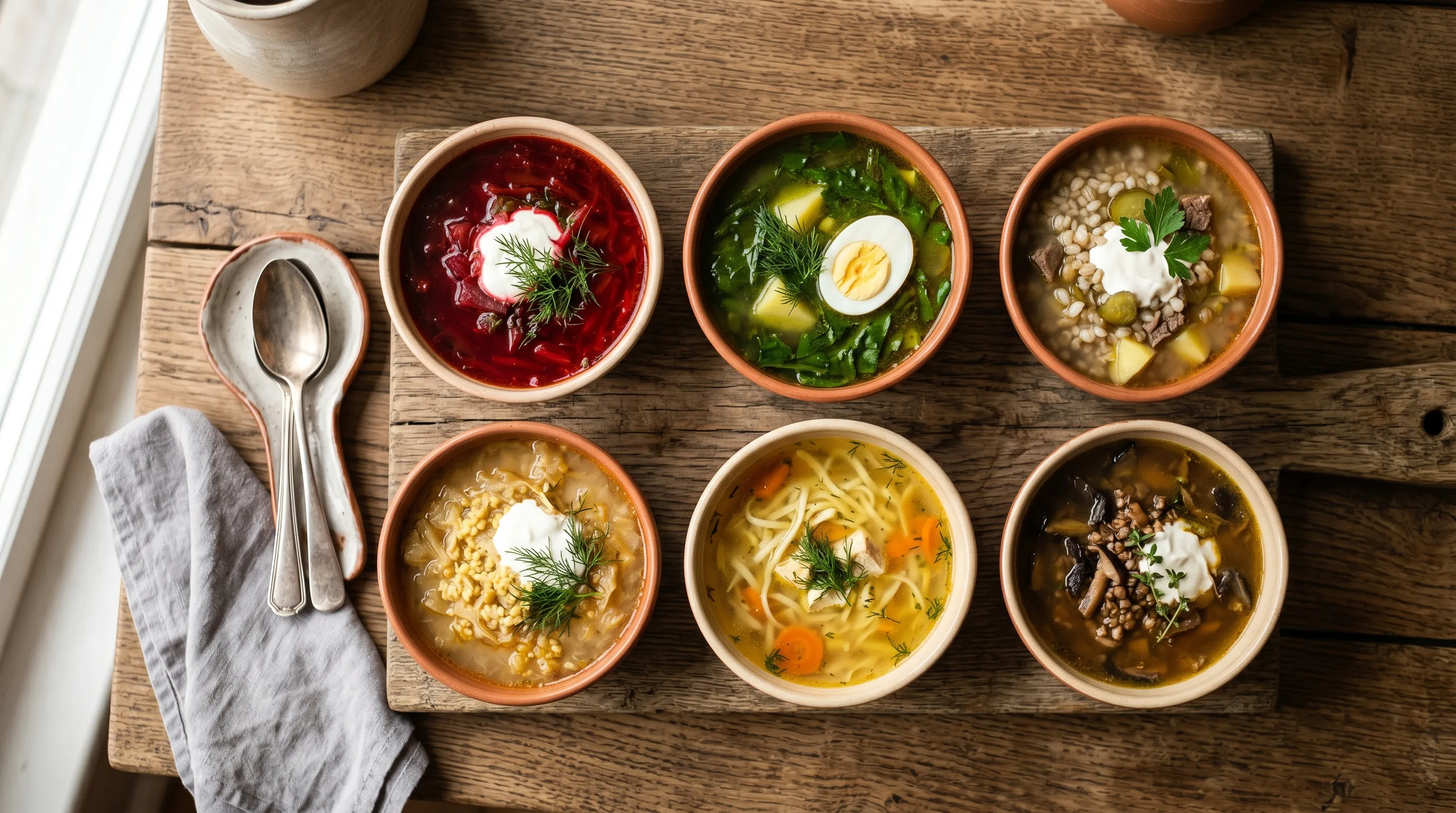
A large bowl made without lard runs about 140–200 calories. Beets bring folate, cabbage brings fibre and vitamin C, and the broth stays lean. It is filling, cheap, and nutrient-dense. Eat it every single day if you want to.
Green borshch (sorrel soup)
Lighter still, around 120 calories a bowl, and high in vitamin C and iron. The hard-boiled egg on the side adds the protein. A weight-loss meal that happens to be a cultural staple.
Buckwheat kasha (hrechana kasha)
Ukraine’s everyday grain, and one of the better things you can put on a plate: low glycaemic index, high magnesium, real plant protein. Use it as your side at every meal in place of white bread or white rice.
Varenyky with potato and cottage cheese (baked, not fried)
Bake them instead of frying and the dish turns diet-friendly without losing the point. Five baked varenyky come in around 320 calories: a satisfying, protein-rich meal with the flavours you grew up with.
Holubtsi in tomato sauce
Swap the sour cream sauce for the tomato-braised version and you save roughly 120 calories a serving. Two holubtsi with plenty of vegetables land near 280 calories and still fill you up.
Kefir
Plain kefir is the most underrated food in the whole tradition. 200ml of the low-fat kind is about 100 calories, 8g of protein, and a lot of live cultures. Studies keep tying regular kefir to healthier body weight. Drink it every morning.
Vinegret salad
The beet, potato, carrot and pickle salad on every grandmother’s table earns its place. The pickles add probiotics and the beets add antioxidants, and dressed with olive oil and herbs it stays modest in calories.
A daily framework
Morning: the kefir habit
Start every day with 200ml plain kefir. It is one of the best-evidenced habits going for gut health and metabolism. Follow it with buckwheat porridge cooked in water, a few berries or a small apple on top. About 350–400 calories.
Lunch: soup first, always
The Ukrainian midday meal starts with soup, and in this framework that part is non-negotiable. It is the rule that makes the rest work. A bowl of borscht or green borshch before the main course quietly cuts how much you eat at that meal, and it never feels like restriction. Then a modest portion of the main dish, a side of sauerkraut, a dill cucumber salad. About 450–500 calories.
Afternoon: the snack
Cottage cheese (tvaroh) with fresh dill and cucumber, or a small bowl of kefir with a handful of walnuts. About 150–180 calories. Both are ordinary Ukrainian foods that happen to make excellent diet snacks.
Dinner: lighter than lunch
Traditionally, dinner was the smaller meal and midday was the big one. Modern schedules flip that, and the flip puts on weight. Keep the evening lighter: baked fish with roasted vegetables, a light egg soup, or buckwheat with mushrooms. About 350–400 calories.
Adapting specific recipes
Deruny (potato pancakes)
Grate the potatoes and squeeze out all the liquid. That is the step most home cooks skip, and it is the one that matters. Mix with an egg, low-fat cottage cheese and dill, then bake at 200°C on a lightly sprayed tray, 12 minutes a side. You get crisp, golden deruny at about 120 calories for three, instead of 400-plus.
Syrniki (cottage cheese pancakes)
Already one of the better traditional breakfasts, since it is mostly cottage cheese and egg. To lighten it: low-fat cottage cheese, oat flour instead of white, a non-stick pan with just an oil spray. Serve with fresh berries rather than jam or sour cream. About 250 calories for three.
Olivier salad
Replace full-fat mayonnaise with a 50/50 mix of low-fat Greek yogurt and a teaspoon of Dijon mustard. Add more vegetables (cucumber, peas, carrots) and reduce the potato volume. Use chicken breast instead of fatty ham. The result tastes remarkably close to the original at approximately half the calories.
Frequently asked questions
Can I eat salo (cured pork fat) on a diet?
Yes, occasionally. A small slice (20–30g) of salo as an occasional treat will not derail a diet. What causes problems is eating salo every day in large quantities. The Ukrainian tradition of a thin slice of salo on dark rye bread with garlic and a pickle is, in moderation, a culturally meaningful and not excessive indulgence.
Is Ukrainian bread healthy?
Traditional Ukrainian sourdough rye bread is nutritious, high in fibre, lower GI than wheat bread, fermented with a sourdough starter. One or two slices per day is completely compatible with weight loss. The problem is eating 4–5 thick slices at every meal. Portion it thoughtfully.
How do I handle family meals where I cannot control the food?
This is a real and emotionally complex challenge, declining food in Eastern European cultures can feel like rejecting love. My approach: eat a smaller portion of everything with genuine appreciation. Ask for the recipe so you can make a lighter version at home. Bring a dish you have made healthily to share. Frame it as honouring the tradition by cooking it more often yourself, not as rejecting the food.
What is the most weight-loss-friendly traditional Ukrainian meal?
Green borshch with a hard-boiled egg, about 120 calories, is the most diet-friendly traditional meal I know. Close second: plain buckwheat kasha with braised mushrooms and a side of sauerkraut, roughly 250 calories and about as nourishing as cheap food gets.
Ready to cook? See all Ukrainian recipes with full nutrition info: Healthy Ukrainian Recipes →